

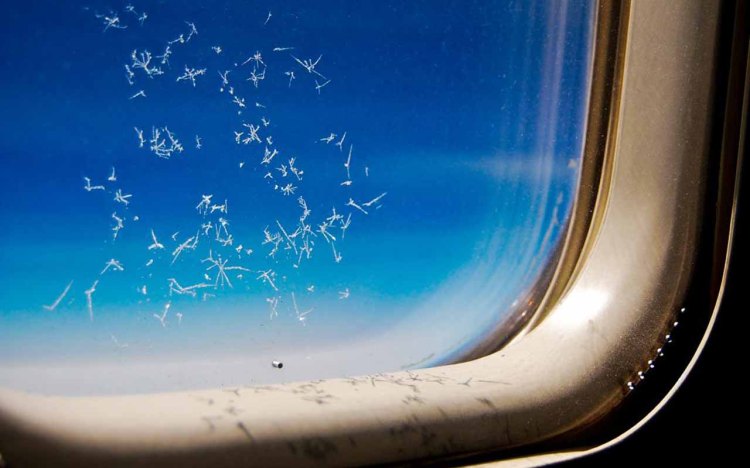
Have you ever sat next to the window on a flight and found that there is a tiny hole at the bottom of the window? You may be a little curious about the little holes. What are they? Is the tiny window hole safe during the flight?
Don’t confuse about it anymore, here’s why there are tiny holes in airplane windows.

Airplanes need to fly higher, and flying high means less drag. When air pressure drops and you get higher, airplanes are designed to maintain air pressure at a safe level inside the cabin, so the air pressure outside is much lower than it is inside. This difference in air pressure puts a riot of physical stress on airplane windows. And we all know that airplane windows are consist of three separate panes, the outer, the middle and the inner. The outer pane deals with air pressure difference. Thanks to the tiny hole in the middle pane, the tiny hole also called “bleed hole”, primary purpose of the hole is to balance air pressure.
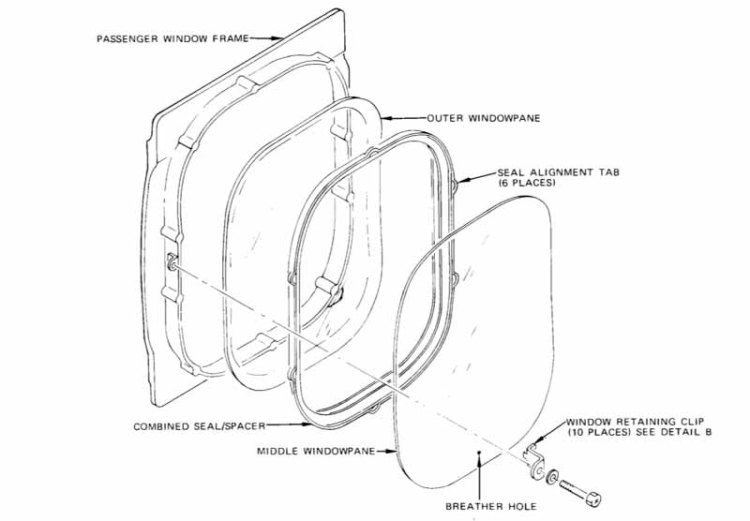
In other words, the outer pane is takes on the pressure while the middle pane acts as a fail-safe. The inner pane is non-structural, but it helps to protect the middle and outer damage caused by passengers. If there were a situation that caused added strain on the window, you can still breathe.
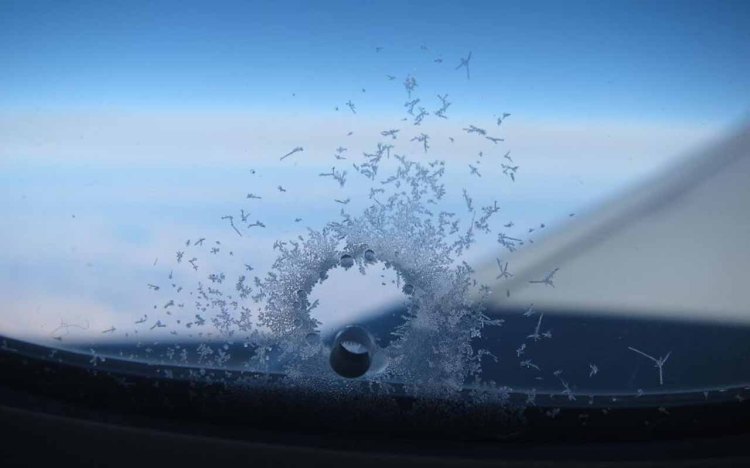
So, the tiny window hole is actually a very important safety feature. More officially, it’s called a breather hole and also keeps the window fog-free by wicking moisture that gets stuck between the panes.
Have you got the secret of airplane tiny holes? Check the following video, you will find more detailed information you want!
 blog.easyacc.com